
Air‑insulated switchgear for industrial power distribution remains a mainstream medium‑voltage solution for factories and manufacturing plants. It uses ambient air as the insulating medium, delivering dependable circuit control and fault‑protection performance for industrial power‑distribution systems.
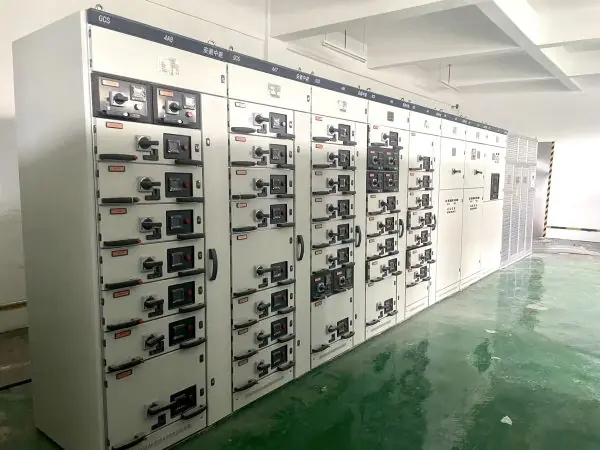
Power‑distribution needs of industrial sites
Manufacturing facilities run heavy‑duty motors, production lines and auxiliary equipment. Overload and short‑circuit faults may appear during continuous production cycles. Industrial projects also pursue transparent operation, convenient inspection and affordable investment budgets.
Core working principle and features
Air‑insulated switchgear relies on surrounding air to isolate live components. The cabinet structure keeps breakers, busbars and auxiliary components clearly separated. Operators can visually check component status without complex disassembly. Standardised cabinet layouts support easy inspection, testing and part replacement.
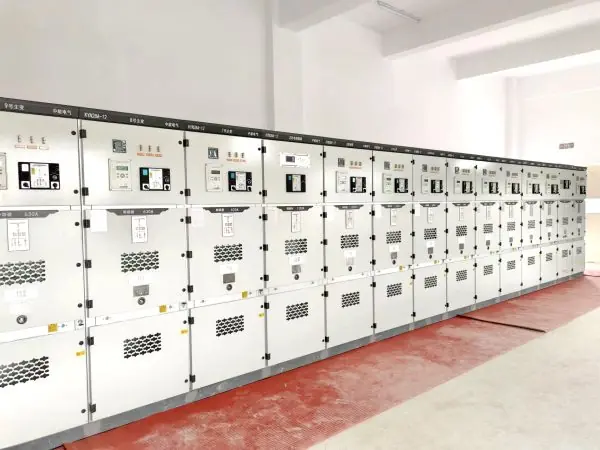
Main practical advantages
Compared with gas‑insulated alternatives, air‑insulated switchgear has lower initial purchase cost. There is no risk of gas leakage, eliminating regular gas‑pressure monitoring work. Its open‑style layout makes routine inspections and troubleshooting straightforward for on‑site electricians. It fits most indoor industrial substations with enough installation space.
Deployment notes
Sufficient room for ventilation and creepage distance must be reserved during layout design. Keep the cabinet away from heavy dust, corrosive fumes and high‑humidity locations. Carry out regular cleaning of internal busbars and insulating parts. All installation work must comply with local medium‑voltage electrical standards.
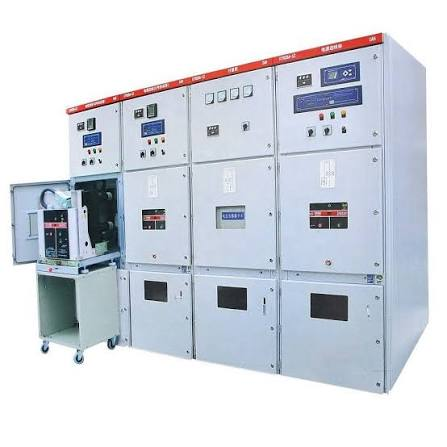
Conclusion
Air‑insulated switchgear for industrial power distribution is a proven, budget‑friendly medium‑voltage option. With simple maintenance and stable performance, it continues to serve a wide range of factory and industrial power‑distribution projects.
