
Gas‑insulated switchgear for urban substations meets the special demands of crowded city centres. Land resources are precious in downtown districts, where traditional power‑distribution equipment takes up too much floor area. This sealed switchgear solution helps engineers build compact substations without sacrificing power‑system safety.
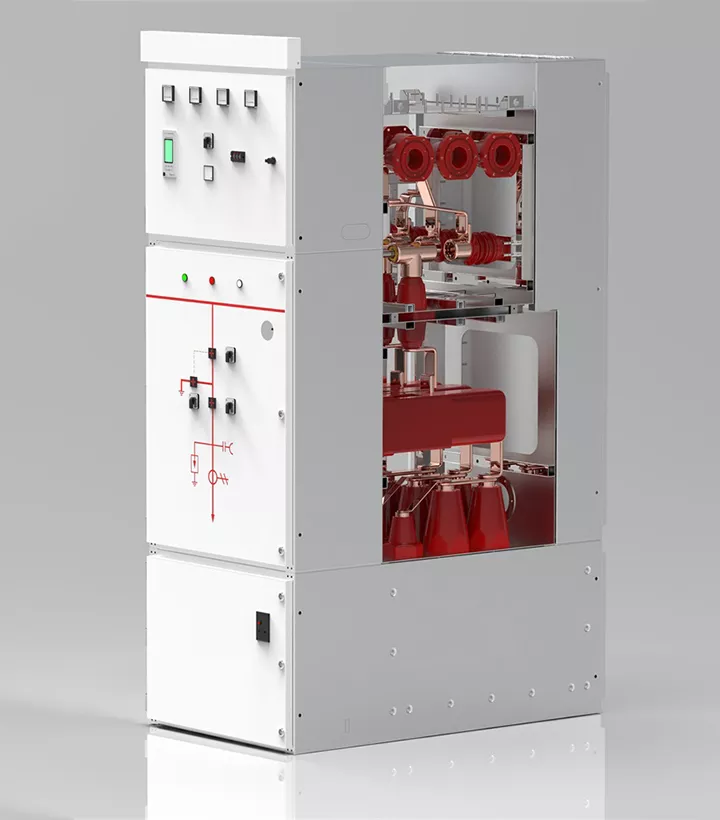
Space challenges in urban substation projects
Downtown commercial zones and high‑density residential areas have very limited space for power facilities. Conventional air‑insulated switchgear requires large rooms for installation and heat dissipation. City substations also face dust, humidity and pollution from the surrounding urban environment, which may shorten equipment service life.
Core advantages of gas‑insulated switchgear
All live internal components are enclosed inside sealed metal housings filled with insulating gas. The compact design greatly cuts overall footprint. The fully‑sealed structure protects internal circuits against dust, moisture and chemical pollution. The equipment maintains steady performance even under harsh urban environmental conditions.
Real‑world project benefits
The small footprint allows substations to be built inside building basements or narrow urban plots. High reliability reduces the frequency of on‑site maintenance visits. It helps power utilities deliver continuous power supply for high‑rise offices, shopping malls and dense city neighbourhoods.
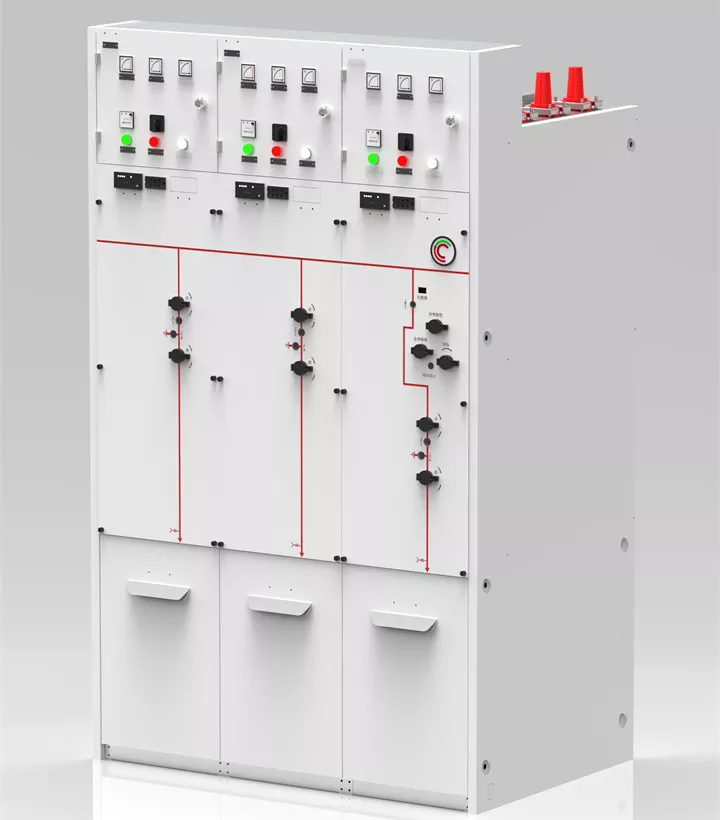
Critical deployment reminders
Teams must arrange regular gas‑pressure checks and monitor for potential leakage. On‑site repair work needs trained, specialised technicians. Always match equipment ratings to local grid specifications and leave reasonable access space for inspection. Installation and commissioning should follow official electrical codes.
Conclusion
Gas‑insulated switchgear for urban substations is a practical choice for space‑limited city projects. Its compact layout and strong environmental resistance support safe, reliable power distribution for modern urban infrastructure.
