
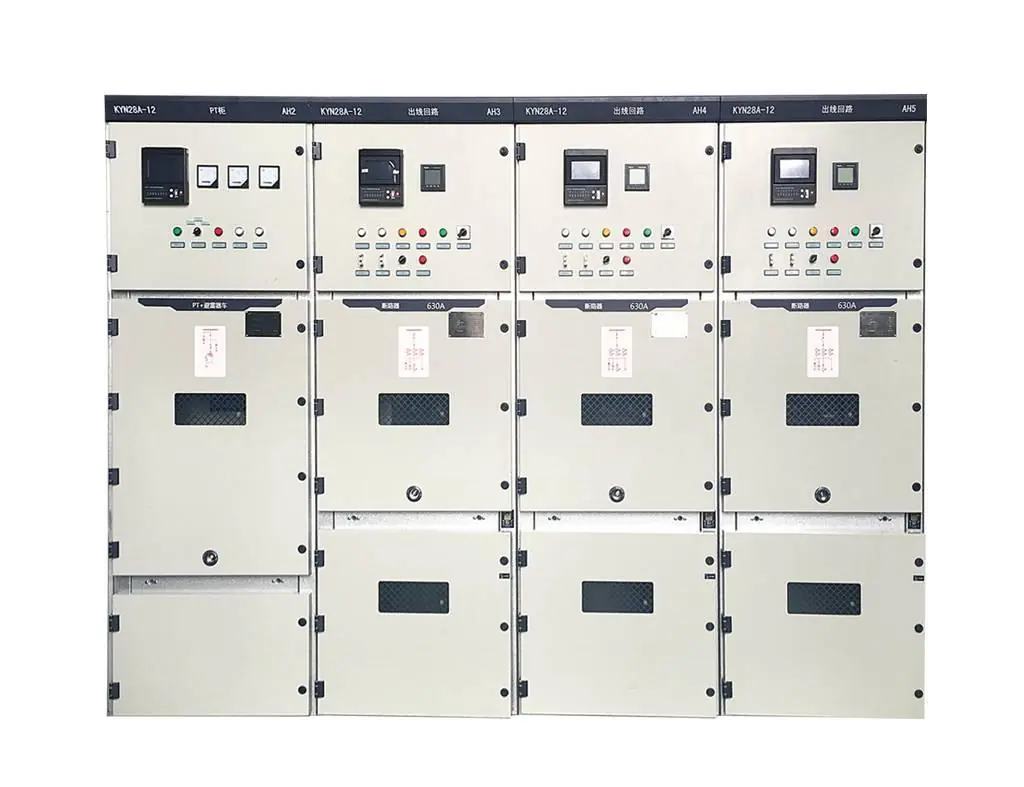
Basic Overview and Working Principle of Air-Insulated Switchgear
Air‑insulated switchgear is a proven medium‑voltage distribution unit. It uses ambient air to form safe gaps between live parts, busbars, switches and grounded cabinets.Instead of special insulating materials used by gas‑insulated or solid‑insulated types, it relies on precise air clearance for phase‑to‑phase and phase‑to‑ground insulation. This simple, dependable design makes it popular for urban grids, industrial parks, commercial buildings and power stations worldwide.Modern models feature enclosed metal cabinets and modular layouts. They combine circuit breakers, disconnectors, earthing switches, measuring transformers and complete secondary control‑protection systems. Well‑divided compartments avoid mutual interference and ensure stable long‑term switching, protection and power distribution.
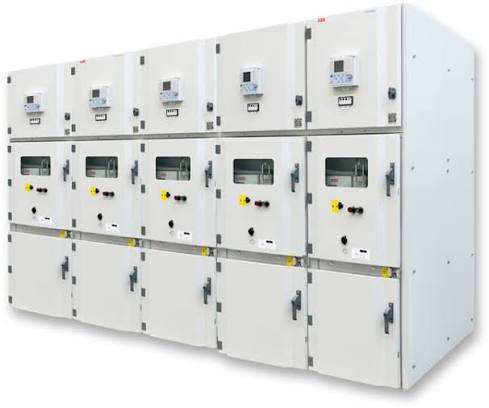
Structural Characteristics and Operational Advantages
Advantages of Air-Insulated Switchgear in Power Distribution Projects
Simple Structure and Low Failure Rate
Air-insulated switchgear offers prominent practical advantages in engineering operation. Its open and visible internal structure allows staff to conduct daily inspections, fault checks and equipment upgrades without complex testing tools. Compared with closed gas-insulated devices, it has fewer mechanical accessories, a simpler overall structure and significantly lower failure rates.
strong Environmental Adaptability and Low Maintenance Cost
This equipment operates stably under normal indoor conditions, adapting to common temperature and humidity fluctuations. It requires no gas refilling, pressure monitoring or leakage maintenance, eliminating greenhouse gas emissions and gas leakage risks. The maintenance-free design greatly reduces operational costs and improves the safety and sustainability of power distribution systems
、.
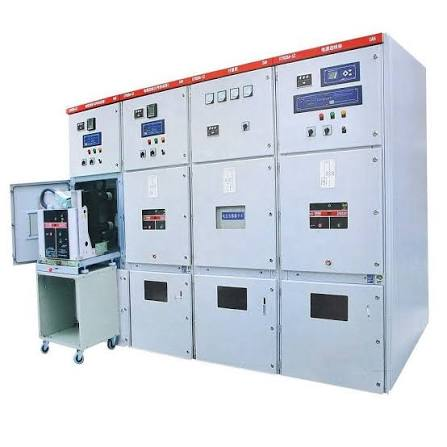
Main Application Scenarios
Due to its strong practicality and high compatibility, this product is widely used in various medium-voltage power distribution applications. It is commonly used in urban indoor power distribution rooms, prefabricated substation systems, industrial plant power centers, shopping mall power distribution systems, power supply projects for schools and hospitals, and grid-connected equipment for photovoltaic and wind power stations. It can work seamlessly with ring network units and compact substations to form a complete and reliable regional power distribution network, undertaking key functions such as circuit switching, overload protection, short-circuit fault isolation, and daily power dispatching.
Comprehensive Conclusion
Air‑insulated switchgear remains a dominant medium‑voltage distribution solution. Boasting simple principles, safe structure, low maintenance and strong environmental adaptability, it balances stability, cost and operating efficiency.
Though it needs more installation space than gas‑insulated gear, its reliability, easy servicing and good lifecycle economy make it ideal for civil, industrial and new‑energy power projects. It will stay core equipment for future medium‑voltage grid construction and urban power upgrades.
