
Introduction
Gas‑insulated equipment is widely used in power transmission and distribution. Different from air‑insulated devices, it uses insulating gas inside sealed cabinets to isolate live parts. This article introduces its definition, advantages, application scenarios and purchasing suggestions.
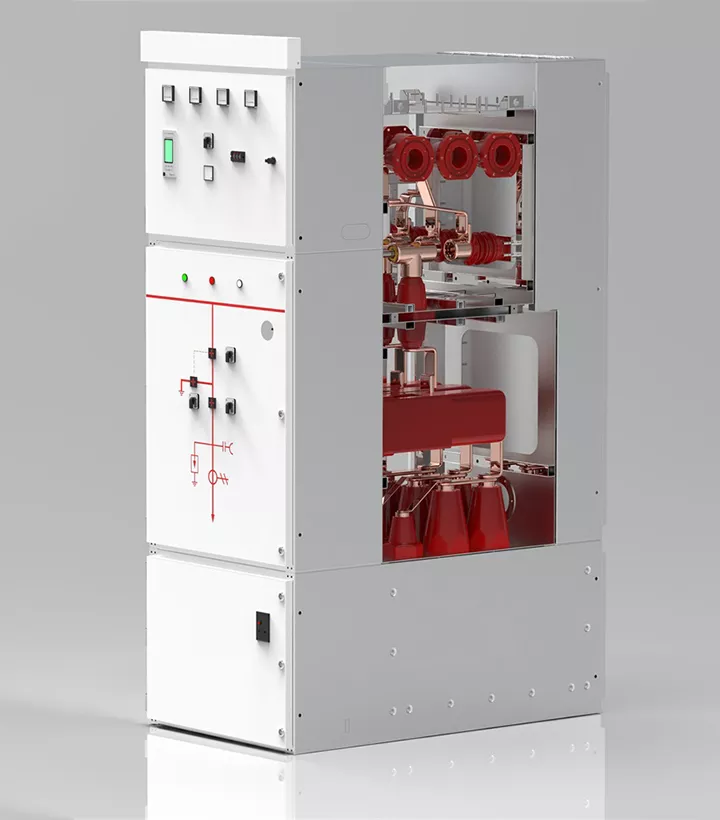
What Is Gas‑Insulated Equipment
Gas‑insulated equipment is high‑voltage power gear. Core conductive parts are sealed in metal tanks filled with insulating gas for insulation and arc extinction.The sealed shell protects internal components from dust, moisture and salt fog. Main products include gas‑insulated switchgear and busbars, used for substations, factories, urban grids and new‑energy stations.
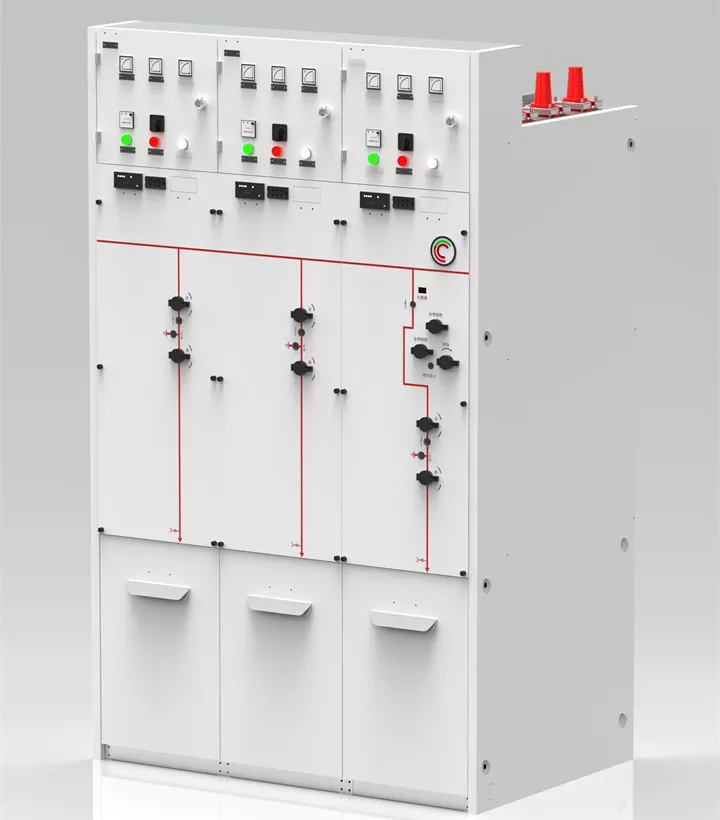
Core Advantages
Small Footprint
Insulating gas outperforms ordinary air in insulation performance. For this reason, designers make the overall equipment structure more compact. This design fits city substations and indoor environments that have limited installation space.
Strong Environmental Compatibility
Besides its space‑saving advantages, the fully sealed structure helps the equipment run steadily even in harsh working sites. It needs no additional dustproof or moistureproof treatments on site, which effectively cuts overall project construction costs.
Long Service Life
Furthermore, the enclosed design keeps corrosive substances away from internal components. Under standard operating conditions, the equipment maintains consistent and reliable performance for a much longer service cycle.

Main Application Scenarios
‑ Compact urban substations
‑ Industrial sites with high power
‑supply requirements
‑ Coastal salt‑fog affected projects
‑ Wind and solar power stations

1. Confirm voltage and rated current according to project design to avoid potential safety risks.
2. Select proper protection grade based on on‑site environmental conditions.
3. Consider after‑sales service and maintenance support from suppliers.
