
Cities are growing faster than ever.
As urban populations expand, electricity networks are expected to deliver higher capacity, greater reliability, and increased flexibility. At the same time, renewable energy, electric vehicle charging, and smart buildings are transforming how electricity flows through modern distribution systems.
Meeting these changing demands requires more than simply adding new equipment.
It requires distribution networks that can adapt while maintaining continuous and dependable power.
Among the technologies supporting this transformation, the Ring Main Unit (RMU) has become an essential component of modern medium-voltage distribution systems. By improving network flexibility and minimizing service interruptions, RMUs help utilities and infrastructure developers build electrical networks that are ready for the future.
Reliable Power Is Becoming a Requirement, Not an Advantage
Modern cities depend on electricity for nearly every aspect of daily life.
Transportation systems, hospitals, commercial buildings, manufacturing facilities, and digital infrastructure all require stable and uninterrupted power supplies.
Even short outages can result in operational disruptions, financial losses, or reduced public services.
This is one of the reasons why distribution networks are increasingly designed with redundancy and operational flexibility in mind.
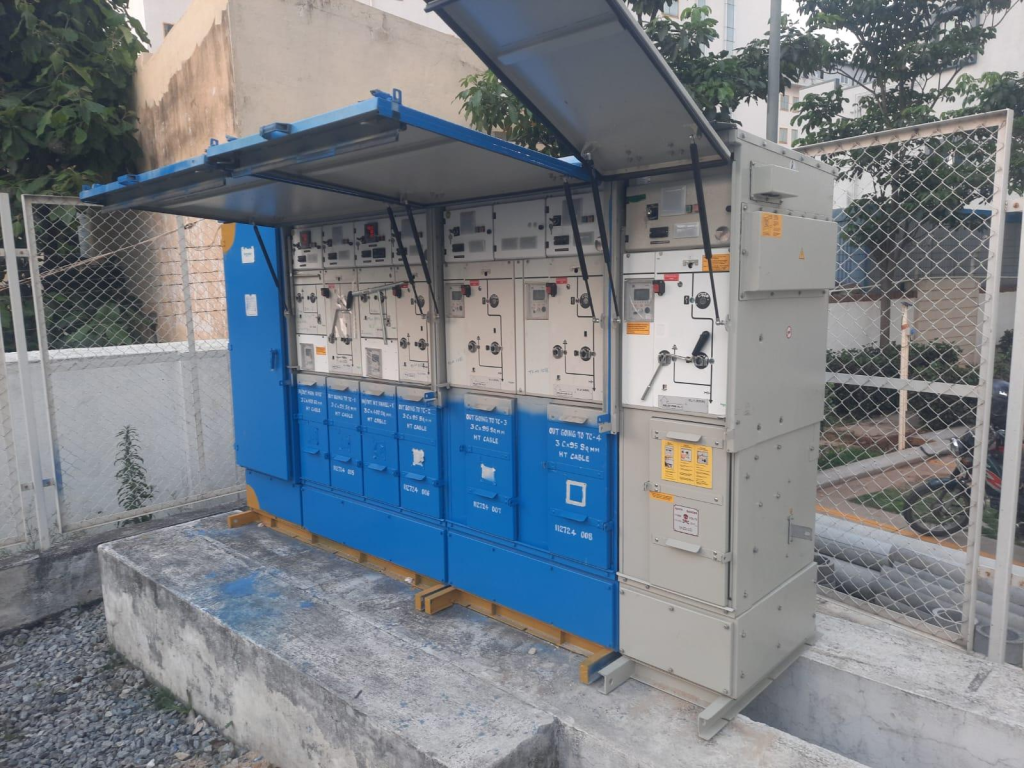
Ring Main Units allow utilities to isolate faults while maintaining power to unaffected sections of the network. Instead of shutting down an entire feeder, operators can quickly reroute electricity and restore service more efficiently.
As urban electrical systems become more interconnected, this ability to improve network resilience has become increasingly valuable.
Reliable power is no longer viewed as a competitive advantage—it has become an essential expectation.
Smarter Distribution Networks Need Smarter Switching Solutions
The rise of smart cities is changing how electrical infrastructure is managed.
Digital monitoring, remote control, predictive maintenance, and automated fault detection are becoming standard features within modern distribution systems.
Switching equipment is expected to work seamlessly alongside these intelligent technologies.
Today’s Ring Main Units are increasingly integrated into smart grid environments, allowing operators to monitor system conditions, respond to network events remotely, and improve maintenance planning through real-time operational data.
These capabilities help utilities reduce response times while improving overall network efficiency.
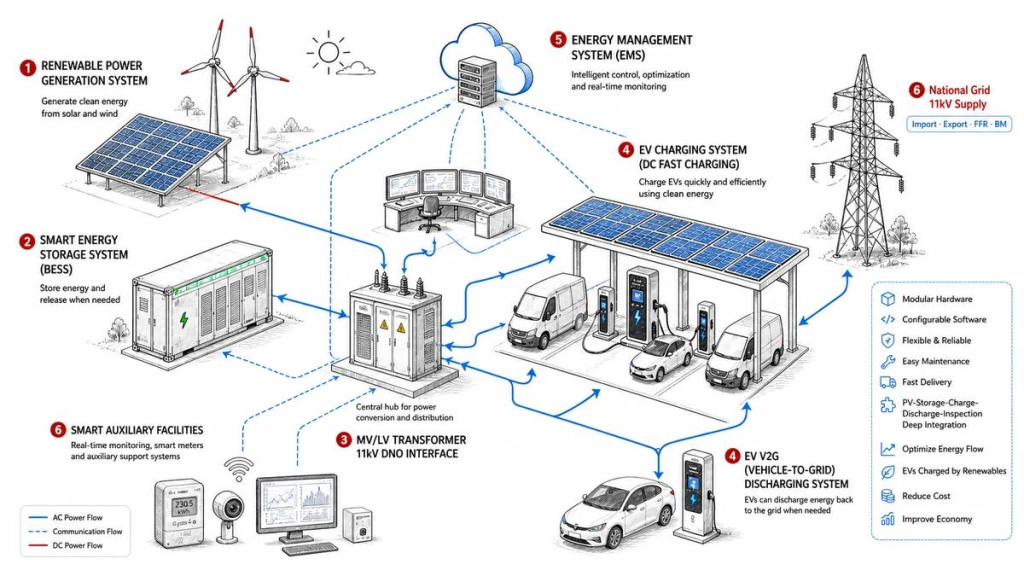
As renewable energy sources continue connecting to distribution grids, intelligent switching solutions also play a key role in balancing changing power flows and maintaining stable network performance.
Modern electrical infrastructure is becoming more connected—and switching equipment is evolving with it.
Building Distribution Networks That Can Grow with the City
Urban infrastructure is constantly evolving.
New residential communities, business districts, transportation systems, and industrial developments all place additional demands on existing electrical networks.
Rather than rebuilding entire distribution systems, utilities increasingly seek equipment that supports gradual expansion while maintaining reliable operation.
Ring Main Units provide the operational flexibility needed to accommodate network growth with minimal disruption.
At the same time, every project presents different technical requirements.
Some installations benefit from the accessibility of Air Insulated Switchgear, while space-constrained environments may be better suited for Gas Insulated Switchgear. Selecting the right solution depends on available space, operational priorities, environmental conditions, and long-term development plans.
At CEED, we provide a complete range of medium-voltage switchgear solutions, including Ring Main Units, Air Insulated Switchgear, and Gas Insulated Switchgear, helping customers build electrical infrastructure that remains dependable as demand continues to grow.
Conclusion
As cities become larger, smarter, and increasingly connected, the expectations placed on electrical distribution networks continue to rise.
Reliable power delivery, faster fault recovery, and flexible system expansion are no longer future goals—they are today’s operational requirements.
Ring Main Units have become an important part of this transformation by supporting resilient, efficient, and adaptable medium-voltage distribution networks.
While every project requires its own technical evaluation, choosing equipment that aligns with long-term operational needs is essential for building infrastructure that can support tomorrow’s cities.
