
Traditional substation construction relies heavily on on‑site assembly, civil engineering and long‑term field coordination. This conventional model easily faces delays from weather, labour shortages and inconsistent on‑site workmanship. As industrial expansion and renewable energy construction accelerate, project owners demand faster, safer and more cost‑effective power solutions. Prefabricated substations gradually become the mainstream choice for modern distribution infrastructure.
What Is a Prefabricated Substation
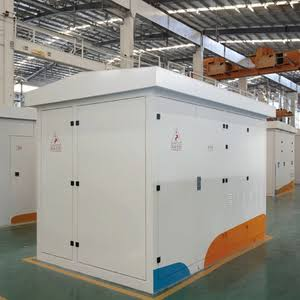
A prefabricated substation is an integrated modular power unit manufactured and tested in factory environments. It integrates medium‑voltage switchgear, low‑voltage distribution systems, transformers, control devices and auxiliary facilities inside a sealed steel enclosure.
All wiring, assembly, debugging and performance tests finish before factory delivery. After transportation, construction teams only complete simple positioning and cable connection work. The whole unit can enter official operation in a short time. This plug‑and‑play working mode completely changes the lengthy construction logic of traditional substations.
Core Advantages Over Traditional Substations
Prefabricated substations deliver obvious strengths compared with on‑site built facilities.
First, they greatly shorten project cycles. Factory batch production avoids repeated on‑site construction steps. Projects no longer rely on long‑term outdoor construction periods and effectively reduce overall project duration.
Second, they stabilize overall equipment quality. Factory production follows unified technical standards and professional testing procedures. Indoor manufacturing environments prevent outdoor weather interference and human errors, ensuring consistent performance of every electrical component.
Third, they save construction and operation costs. Modular integration reduces civil work materials and on‑site labour input. Compact structure lowers land occupation. Standardized internal layout also simplifies daily inspection and later equipment maintenance.
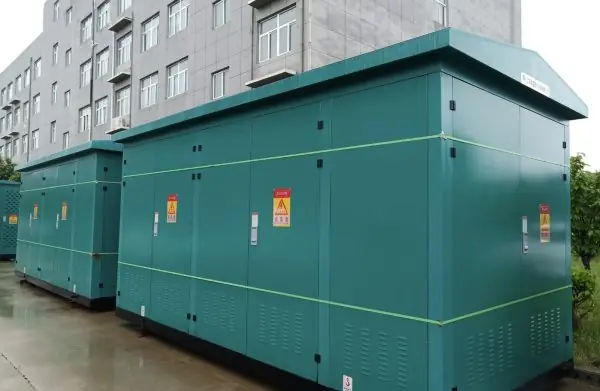
Fourth, they adapt to complex outdoor environments. Integrated sealed structures provide excellent dustproof, waterproof and anti‑corrosion performance. Units maintain stable operation in high humidity, heavy rain, strong wind and dusty industrial sites.
Wide Application Scenarios in Modern Projects
Prefabricated substations adapt flexibly to diversified power demand scenarios.
In renewable energy projects, they perfectly match the decentralized layout of solar power stations and wind farms. Fast deployment features support rapid grid connection for new energy facilities.
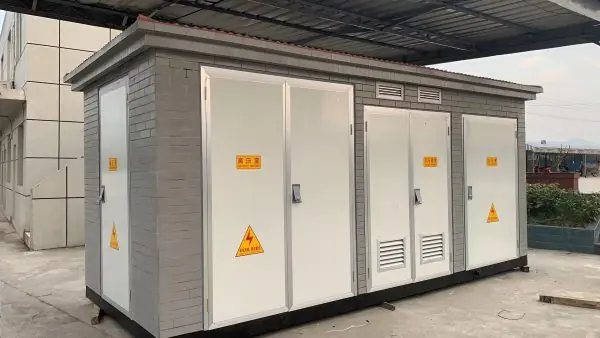
In industrial and commercial fields, they provide reliable power guarantee for industrial parks, manufacturing bases and commercial complexes. Compact design suits dense urban construction environments with limited land resources.
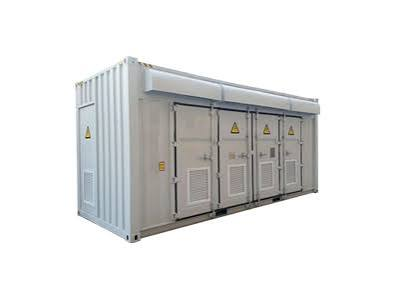
They also serve temporary engineering scenarios, including construction site power supply, field infrastructure and emergency power guarantee. Their movable and reusable features improve resource utilization.
Reliable Safety and Low Maintenance Features
Safety performance stands as a core advantage of prefabricated substations. Integrated structural design optimizes internal electrical spacing and insulation protection. Reasonable ventilation, heat dissipation and fault protection systems effectively prevent overheating, short circuits and equipment failures.
Standardized internal wiring and component layout make daily inspections intuitive and efficient. Operators quickly locate hidden dangers and complete routine maintenance. Modular structure also supports partial component replacement and system upgrading without large‑scale disassembly.
Future Development Value for Power Construction
Modern power projects pursue standardization, intelligence and high efficiency. Traditional customized substations cannot fully adapt to fast‑growing infrastructure demands. Prefabricated substations promote standardized power construction with unified design, production and testing standards.
They reduce on‑site construction risks, lower project management pressure and improve the overall intelligent level of power distribution networks. With the continuous expansion of new energy and urban infrastructure construction, prefabricated modular power solutions will occupy a more important position in future power system construction.
Conclusion
Prefabricated substations replace inefficient traditional on‑site construction with factory prefabrication and modular integration. They deliver prominent advantages in construction speed, quality control, cost saving and environmental adaptability. For renewable energy stations, industrial parks and urban power distribution projects, prefabricated substations provide efficient, safe and sustainable modern power infrastructure solutions.
