
The global transition toward renewable energy is moving faster than ever.
Governments are investing in cleaner power generation, businesses are adopting sustainability goals, and utilities are expanding renewable capacity to meet growing electricity demand. Around the world, solar farms, wind parks, and battery energy storage projects are being developed at an unprecedented pace.
As these projects grow in number and scale, one challenge continues to stand out.
Power infrastructure must be deployed just as quickly as the energy generation itself.
Reliable electrical distribution is essential for connecting renewable energy to the grid, and project developers are increasingly looking for solutions that reduce installation time while maintaining long-term performance.
This is one of the reasons why Compact Sub-Stations are becoming an important part of modern renewable energy infrastructure.
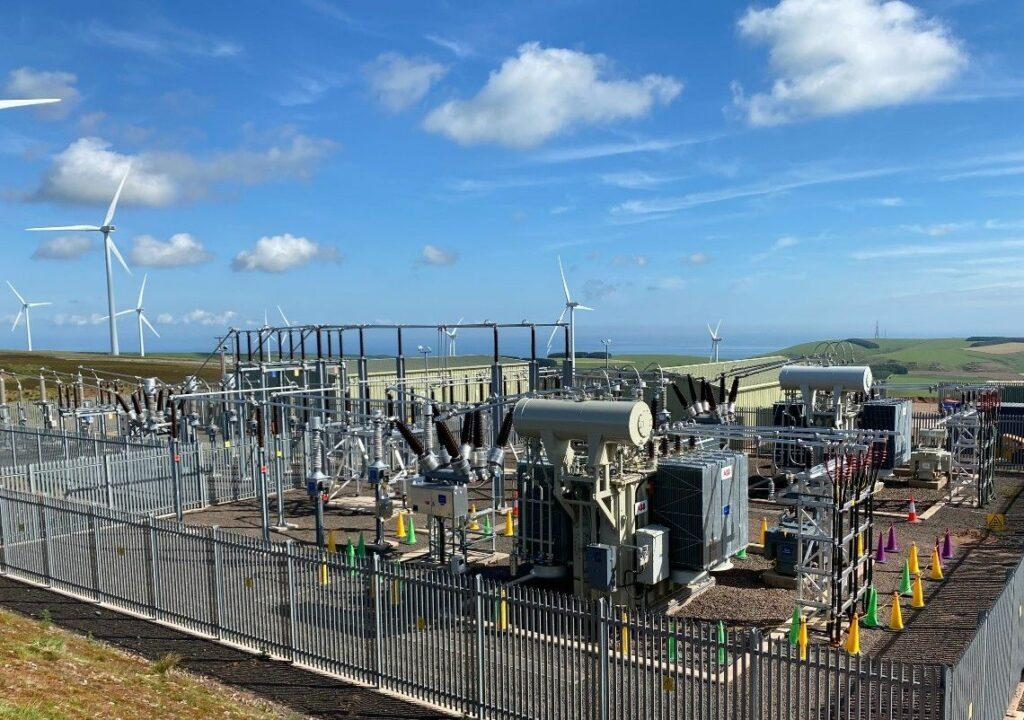
Faster Deployment Supports Faster Energy Transition
Renewable energy projects often operate under demanding construction schedules.
Developers aim to reduce project timelines to begin generating electricity and delivering returns on investment as quickly as possible. Delays in electrical infrastructure can postpone grid connection and impact the overall success of a project.
Compact Sub-Stations help simplify this process by providing integrated medium-voltage distribution solutions in a factory-assembled design.
Instead of coordinating multiple components on-site, project teams can install pre-engineered systems that require less field assembly and testing.
This approach offers several practical advantages:
- Shorter installation schedules
- Reduced on-site construction work
- Simplified project coordination
- More predictable commissioning
- Improved consistency in equipment quality
For renewable energy developers, every week saved during construction can accelerate the delivery of clean energy to the grid.
Flexible Infrastructure for Diverse Renewable Applications
Renewable energy is no longer limited to large utility-scale power plants.
Today’s electrical networks include distributed solar installations, onshore and offshore wind farms, battery energy storage systems (BESS), industrial microgrids, and hybrid energy projects.
Each application presents different technical requirements, but they all depend on reliable medium-voltage distribution.
Compact Sub-Stations offer the flexibility to support a wide range of renewable energy applications while adapting to varying project sizes and site conditions.
Whether installed in a remote solar farm or integrated into an urban energy project, compact designs help optimize available space and simplify electrical infrastructure planning.
As renewable generation becomes more decentralized, scalable power distribution solutions are becoming increasingly valuable.
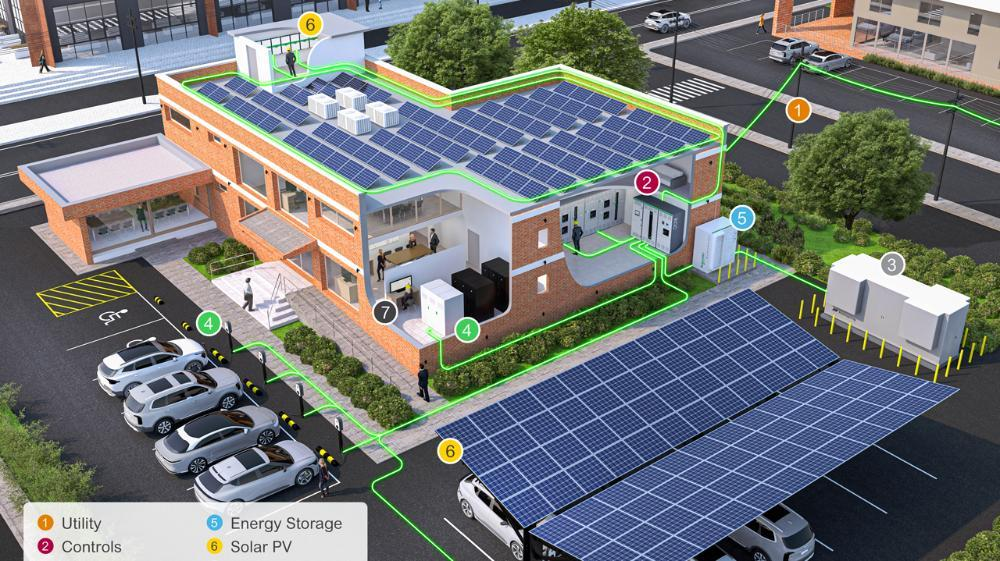
Building Electrical Infrastructure for Long-Term Growth
The renewable energy industry continues to evolve beyond electricity generation alone.
Energy storage, electric vehicle charging networks, smart grids, and digital monitoring technologies are becoming interconnected parts of a larger energy ecosystem.
Electrical infrastructure must therefore support not only today’s operational requirements but also future expansion and technological upgrades.
Compact Sub-Stations provide a strong foundation for this evolving landscape by delivering dependable medium-voltage distribution in a space-efficient and scalable format.
At CEED, we support renewable energy developers with a range of medium-voltage solutions, including Compact Sub-Stations, Air Insulated Switchgear, Gas Insulated Switchgear, and Ring Main Units. By offering flexible power distribution solutions for different applications, we help customers build electrical infrastructure that is ready for both current demands and future growth.
Conclusion
Renewable energy projects require more than advanced generation technologies.
They also depend on electrical infrastructure that can be deployed efficiently, operate reliably, and adapt to changing energy demands.
Compact Sub-Stations are playing an increasingly important role in supporting this transition by helping developers shorten project timelines, improve installation efficiency, and build scalable medium-voltage distribution networks.
As renewable energy continues to reshape the global power industry, practical and dependable electrical infrastructure will remain essential for delivering clean energy safely and efficiently.
