
An electric vehicle is plugged in and charging normally. A few hours later, the charging session stops unexpectedly.
The vehicle may display a charging error, while the cable or connector feels warmer than expected. In other cases, the problem may be less obvious: a damaged cable, loose connection, or poorly stored charging equipment can gradually create reliability and safety issues.
As EV ownership grows, charging equipment is being used more frequently and in more environments. The charging cable is often exposed to repeated bending, outdoor conditions, vehicle movement, and daily handling. For this reason, cable condition and charging practices deserve as much attention as the charging unit itself.
When a Charging Cable Becomes the Weak Point
An EV charging system depends on a reliable connection between the power source, charging equipment, cable, connector, and vehicle.
If any part of this chain performs poorly, charging can become unstable.
Charging cables are particularly exposed because they are handled every time a vehicle is charged. They may be placed on the ground, bent around storage areas, exposed to rain or sunlight, or accidentally driven over.
Over time, repeated mechanical stress can affect the cable insulation, connector, or internal conductors.
A cable does not necessarily need to show obvious physical damage to create a charging problem. Poor connections, excessive bending, or incompatible equipment can increase electrical resistance and contribute to abnormal heating.
What Causes EV Charging Cables to Overheat
Heat is one of the most important warning signs during EV charging.
An EV Charging Cable carries substantial electrical current for an extended period. Under normal conditions, the cable and connector are designed to manage this load within their specified operating range.
However, several factors can increase heat generation.
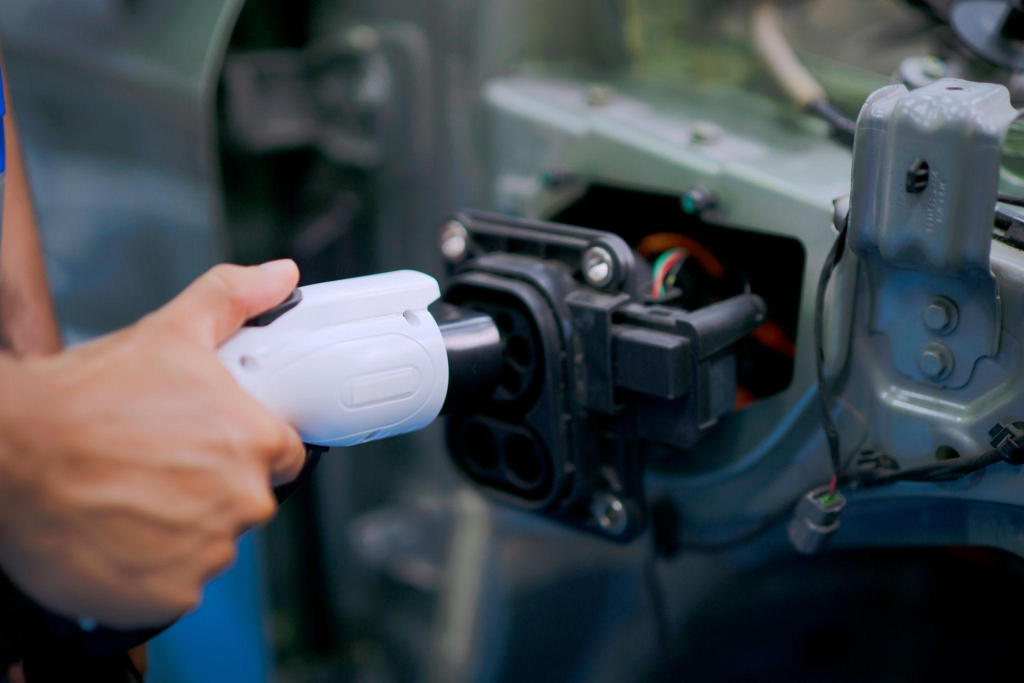
A loose or poorly seated connector can create additional electrical resistance at the connection point. Damaged conductors or insulation can also affect performance. High ambient temperatures and insufficient ventilation may further increase operating temperatures.
Another consideration is the charging equipment itself. The charger should be matched to the vehicle and electrical supply, with appropriate protection against conditions such as overcurrent and overheating.
Users should pay attention to unusual heat, burning smells, discoloration, repeated charging interruptions, or visible damage. These signs should not be ignored.
How Cable Damage Can Lead to Charging Failures
Physical damage is another common source of charging problems.
Repeatedly bending a cable at the same point can place stress on internal conductors. Pulling the cable by the connector, rather than handling it properly, can also increase mechanical strain.
Storage habits matter as well. A cable that is tightly wrapped, crushed under heavy objects, or left exposed to harsh environmental conditions may deteriorate more quickly.
Regular visual inspection can help identify problems before they become charging failures.
Users should check for:
- Cuts or cracks in the outer insulation
- Exposed or damaged sections
- Deformed connectors
- Discoloration around connection points
- Loose or damaged plugs
- Unusual heating during charging
If significant damage is found, the equipment should be removed from service and assessed by a qualified professional rather than continuing to use it.
How to Improve EV Charging Cable Safety
Safe charging is not only about choosing the right equipment. Everyday handling also has a significant impact on reliability.
First, users should select charging equipment that is appropriate for the vehicle and available electrical supply. The charger and cable should be used according to the manufacturer’s specified operating conditions.
Second, connections should be fully inserted and kept clean and dry. Dirt, moisture, or physical damage around the connector can interfere with reliable electrical contact.
Third, cables should be positioned so they are protected from vehicles, sharp edges, excessive bending, and unnecessary mechanical stress.
Finally, charging equipment should be inspected regularly. A short inspection before use can help identify visible problems before they become more serious.
Why Portable Charging Equipment Needs More Attention
Portable charging equipment provides greater flexibility because it allows EV owners to charge in locations beyond a fixed home installation.
However, portability also means that the equipment is transported, connected, disconnected, and stored more frequently.
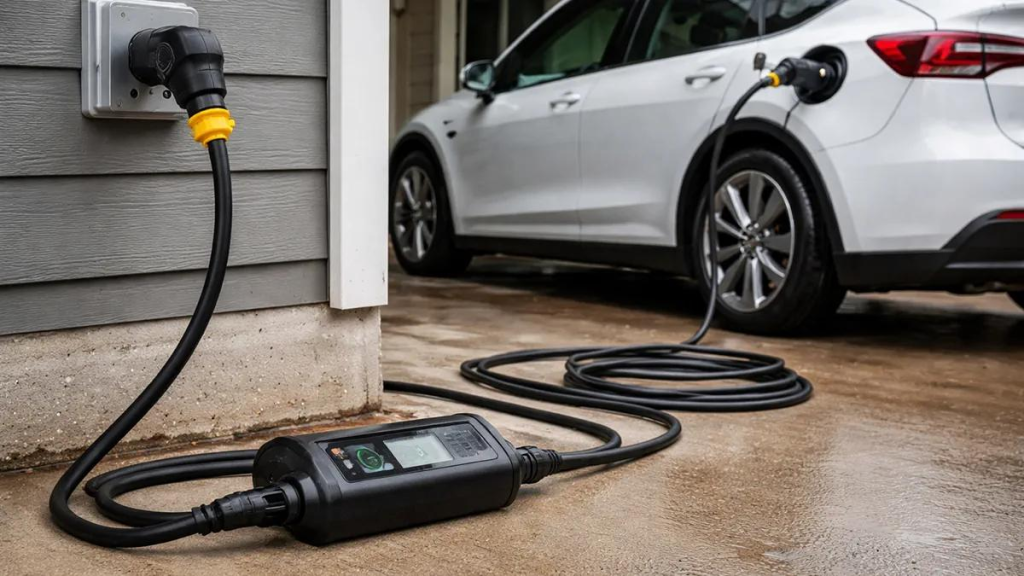
This makes cable durability, connector protection, temperature control, and cable management particularly important.
Products such as CEED Portable EV Fast Safe Charger Holder Grey Mobile Charger are designed around the practical requirements of mobile EV charging, combining portable operation with safety-focused charging features.
The goal of a portable charging solution is not simply to make charging possible in more locations. It should also provide a reliable way to manage the electrical connection while reducing the risks associated with repeated handling and changing charging environments.
As portable charging becomes more common, users and manufacturers will need to pay increasing attention to both equipment design and everyday charging practices.
Conclusion
An EV Charging Cable may appear to be a simple connection between a charger and a vehicle, but it plays an important role in the safety and reliability of the entire charging process.
Overheating, physical damage, poor connections, and improper storage can all contribute to charging failures and equipment deterioration.
Regular inspection, appropriate equipment selection, careful cable handling, and proper connection practices can significantly improve charging reliability.
As electric vehicle charging moves beyond fixed home installations, well-designed portable charging equipment will become increasingly important in providing users with safe and flexible charging wherever it is needed.
