
A power grid can be remarkably stable until the way electricity is generated begins to change.
For decades, electricity generally moved in a predictable direction: large power plants generated electricity, transmission networks carried it over long distances, and substations distributed it to industrial, commercial, and residential users. Today, that pattern is becoming more complicated.
Solar farms, wind power, battery storage, and other distributed energy resources are introducing new generation points across the network. Electricity may now flow in multiple directions, while demand can change rapidly throughout the day.
This shift is creating new requirements for one of the most important components in power distribution: the substation transformer.
When Power Flows Are No Longer Predictable
Traditional power networks were designed around relatively predictable generation and consumption patterns. Renewable energy introduces a different operating environment.
Solar generation, for example, changes with sunlight and weather conditions. Wind generation can fluctuate within relatively short periods. At the same time, industrial facilities and commercial buildings are adding electric vehicles, energy storage, automated equipment, and other high-power loads.
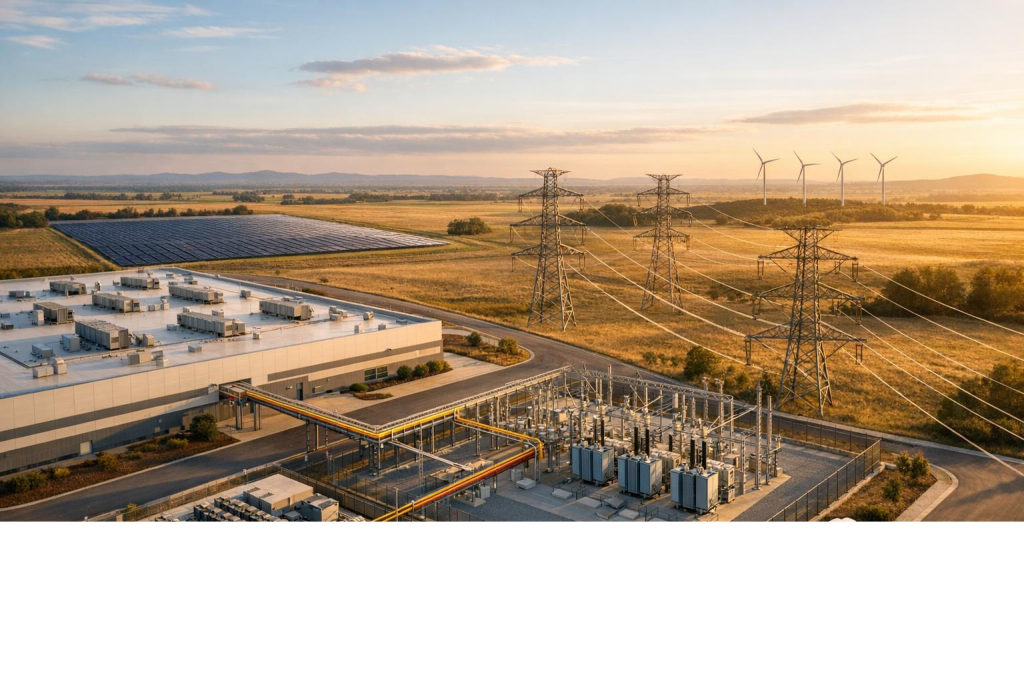
These changes can create significant variations in voltage, loading, and power flow. A transformer that was originally selected for a relatively stable load profile may face operating conditions that are much more dynamic.
This does not mean conventional transformer technology is becoming obsolete. Instead, transformer selection and substation design need to account for a wider range of operating conditions.
Why Renewable Energy Changes Transformer Requirements
Renewable energy integration affects transformers in several ways.
First, variable generation can result in changing load and power flow patterns. Transformers therefore need to operate reliably across different loading conditions rather than being optimized for a single predictable operating point.
Second, distributed generation can introduce bidirectional power flows. Instead of electricity moving only from the substation toward consumers, power generated locally may be transferred back into the distribution network.
Third, renewable projects are often developed in locations where existing grid infrastructure is limited. This can create demand for distribution equipment that is easier to deploy, more adaptable, and capable of integrating multiple electrical functions.
These requirements are encouraging engineers to look beyond the transformer itself and consider the complete substation architecture.
How Grid Modernization Is Changing Substation Design
Grid modernization is not simply about replacing old equipment with newer versions. It involves creating electrical infrastructure that can respond more effectively to changing operating conditions.
Modern substations increasingly need to support better monitoring, protection, fault isolation, and operational flexibility. Digital monitoring can provide information about equipment status and loading conditions, helping operators identify potential problems before they become major failures.
Physical design is also becoming increasingly important. In areas where land is expensive or space is limited, large conventional substations may not always be practical.
A modern substation therefore needs to balance several factors, including electrical performance, safety, maintenance requirements, installation space, and future expansion.
This is where integrated substation solutions can offer practical advantages.
Why Compact Sub-Stations Matter for Modern Distribution
As distribution networks become more decentralized, compact and integrated equipment can simplify the deployment of new electrical infrastructure.
A Compact Sub-Station combines key distribution components within a coordinated structure, typically integrating the transformer with medium-voltage and low-voltage equipment. This approach can reduce installation complexity while making more efficient use of available space.
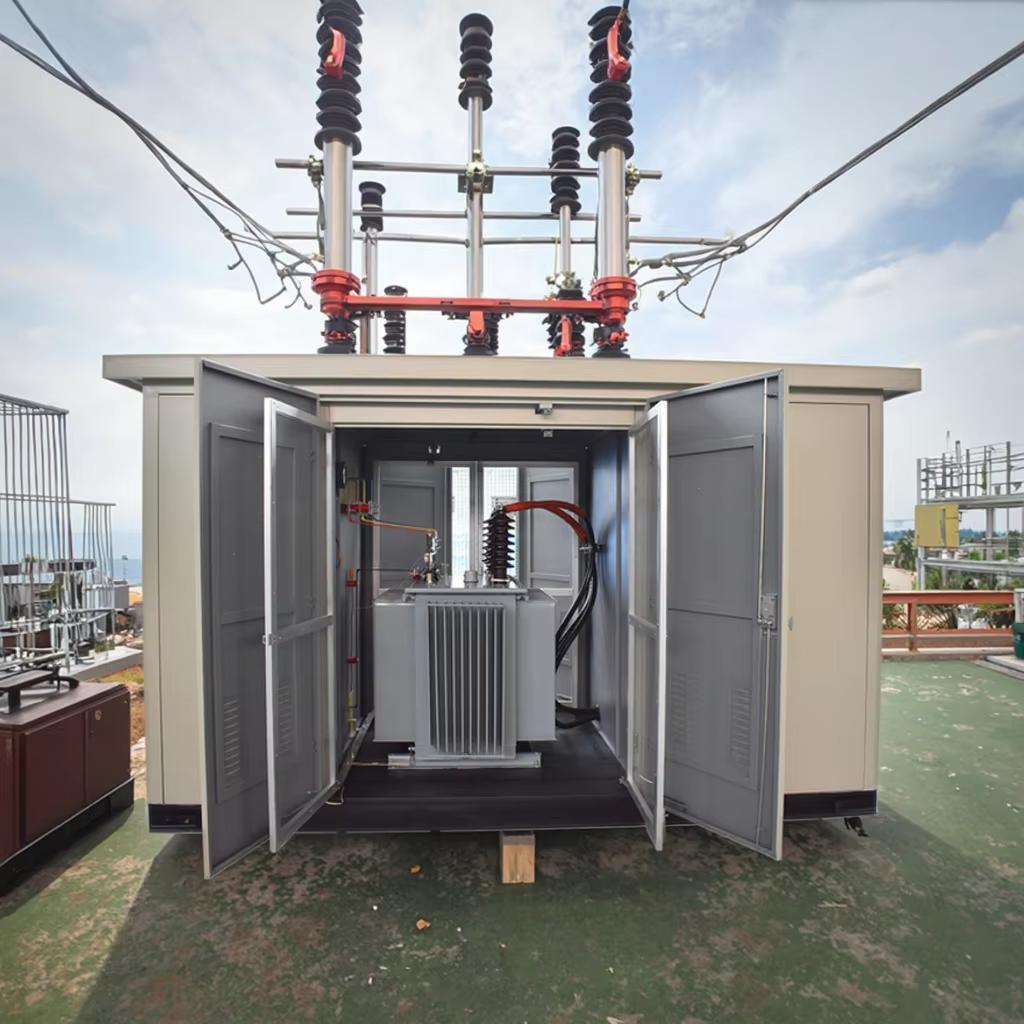
For renewable energy projects, industrial facilities, commercial developments, and infrastructure upgrades, compact substation designs can provide a practical way to establish or expand local power distribution.
The value is not simply in reducing physical size. An integrated configuration can also help engineers coordinate protection, distribution, and transformer functions within a single system.
Manufacturers such as CEED are developing compact substation solutions that respond to these changing requirements, providing an option for projects where space, reliability, and deployment efficiency are important considerations.
As renewable generation continues to become part of mainstream electricity infrastructure, these characteristics are likely to become increasingly relevant.
Conclusion
The modernization of the power grid is changing more than where electricity comes from. It is also changing how electricity moves through the network and how distribution equipment needs to operate.
Renewable generation introduces variable power flows, distributed generation creates new network configurations, and growing electrical demand places additional pressure on existing infrastructure.
For these reasons, the role of the substation transformer is evolving from a relatively predictable component within a traditional grid into part of a more flexible and responsive distribution system.
Compact substation designs provide one practical approach to this transition by integrating essential distribution equipment into a more adaptable configuration.
As grids continue to incorporate renewable energy and smarter electrical infrastructure, transformer and substation design will remain central to building a reliable power network for the next stage of electrification.
