
Modern commercial buildings rely on far more electricity than they did a decade ago. Office towers, shopping centers, hotels, hospitals, and data-intensive facilities all depend on continuous power to support lighting, elevators, HVAC systems, security networks, and digital infrastructure.
Yet building managers often face a common challenge: electrical failures that begin with a single fault but quickly affect an entire facility. Even a brief interruption can disrupt operations, damage sensitive equipment, and create serious safety concerns for occupants.
As commercial buildings become more connected and energy demand continues to increase, electrical switchgear has become one of the most important components of modern power distribution systems.
A Growing Challenge Inside Modern Buildings
In many commercial facilities, electrical infrastructure has evolved faster than the buildings themselves. New charging stations, intelligent control systems, and increasingly powerful computing equipment place additional pressure on existing distribution networks.
At the same time, operators are expected to maintain higher standards of reliability, energy efficiency, and safety while minimizing downtime.
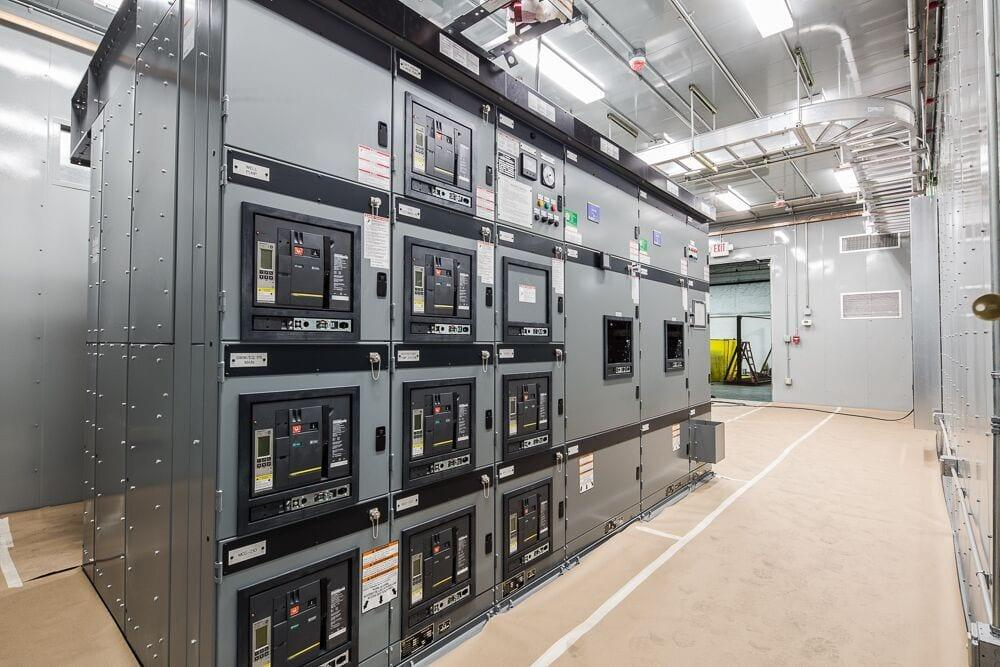
Without an effective protection system, a minor electrical problem can spread rapidly throughout a network. Overloads, short circuits, insulation failures, and unexpected voltage fluctuations all have the potential to interrupt critical operations.
This challenge is particularly important in hospitals, transportation hubs, manufacturing facilities, and large office buildings, where even a short outage may have significant financial consequences.
Why Electrical Failures Still Happen
Electrical systems are designed with multiple layers of protection, but failures continue to occur for several reasons.
First, increasing energy demand places greater stress on cables, transformers, and distribution equipment. Older infrastructure may not have been designed to accommodate modern electrical loads.
Second, environmental conditions can accelerate equipment degradation. Heat, humidity, dust, and vibration gradually reduce system performance and increase the likelihood of failure.
Finally, delayed maintenance and insufficient monitoring often prevent engineers from identifying potential issues before they become serious problems.
In many cases, the issue is not the availability of power but the inability to control, isolate, and distribute it efficiently when operating conditions change.
How Electrical Switchgear Reduces Risk
Electrical switchgear serves as the central control point of a power distribution system. Its primary function is to regulate electrical flow while protecting both equipment and personnel from potentially dangerous faults.
When abnormal conditions occur, switchgear systems can quickly isolate affected circuits and prevent failures from spreading throughout the network.
Modern electrical switchgear offers several important advantages:
- Rapid fault detection and isolation
- Improved protection against overloads and short circuits
- Greater operational reliability
- Easier maintenance and system monitoring
- Enhanced protection for personnel and connected equipment
These capabilities are especially valuable in commercial environments where continuous operation is essential.
As building automation technologies continue to advance, switchgear is also becoming increasingly intelligent, allowing operators to collect real-time data and improve overall energy management.
Why Air Insulated Switchgear Remains a Practical Choice
Among the different switchgear technologies available today, Air Insulated Switchgear (AIS) remains one of the most widely adopted solutions for commercial applications.
AIS uses air as the primary insulating medium, providing a balance between performance, accessibility, and cost efficiency. Its modular design simplifies installation, inspection, and future expansion, making it suitable for a wide variety of building projects.
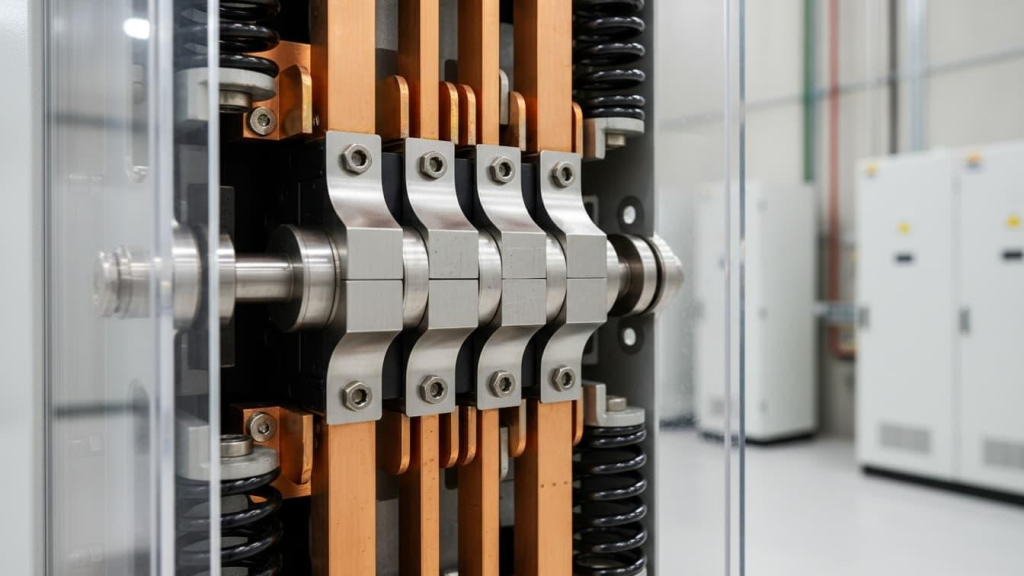
Because many commercial facilities have dedicated electrical rooms, the larger footprint of AIS equipment is often outweighed by its ease of maintenance and long operational life.
Manufacturers such as CEED continue to develop AIS solutions that combine dependable protection systems with flexible configurations designed to support modern power distribution requirements.
Rather than simply acting as a protective device, electrical switchgear has become an essential element of building resilience and operational continuity.
Conclusion
Modern commercial buildings depend on stable and secure electrical infrastructure. As power demands continue to increase, building operators must ensure that their systems can respond effectively to changing conditions while maintaining the highest safety standards.
Electrical switchgear plays a critical role in achieving this goal by detecting faults, protecting valuable equipment, and ensuring the continuous delivery of power.
Whether supporting a large office complex, a healthcare facility, or an industrial site, well-designed Air Insulated Switchgear solutions provide the reliability and flexibility necessary to meet the demands of today’s commercial environment.
