
Modern infrastructure is evolving at an unprecedented pace.
Cities are expanding, industries are becoming more automated, and new technologies are increasing the demand for stable and reliable electricity. While much attention is given to renewable energy, electric vehicles, and smart buildings, none of these developments can operate effectively without a strong electrical foundation.
At the center of that foundation is the electrical substation.
Electrical substations do much more than transfer electricity from one point to another. They regulate voltage, improve power reliability, and ensure that electricity is delivered safely to homes, businesses, factories, and critical public infrastructure.
As the world moves toward a more electrified future, substations are becoming increasingly important in supporting sustainable growth.

Infrastructure Growth Is Driving New Power Requirements
Modern infrastructure projects place greater demands on electrical networks than ever before.
Large commercial developments, industrial parks, transportation systems, hospitals, and data-driven facilities all require continuous and reliable electricity.
At the same time, urban areas are becoming denser, making efficient use of space an important consideration when expanding power infrastructure.
Electrical substations help manage these growing demands by supporting stable medium-voltage distribution and improving the reliability of local electrical networks.
Rather than simply increasing power capacity, today’s infrastructure projects require electrical systems that are flexible enough to support long-term expansion while maintaining operational stability.
Compact Sub-Stations Meet the Needs of Modern Projects
Traditional substations often require significant installation space and extended construction time.
Modern infrastructure projects, however, frequently demand faster deployment, smaller footprints, and simplified installation.
This is where Compact Sub-Stations provide significant advantages.
By integrating key electrical components into a single, factory-assembled unit, Compact Sub-Stations reduce installation complexity while delivering reliable medium-voltage distribution.
Their compact design makes them suitable for a wide range of applications, including commercial buildings, manufacturing facilities, renewable energy projects, transportation infrastructure, and urban developments where available space is limited.
As cities continue to grow, compact electrical solutions are becoming increasingly valuable for supporting reliable infrastructure expansion.
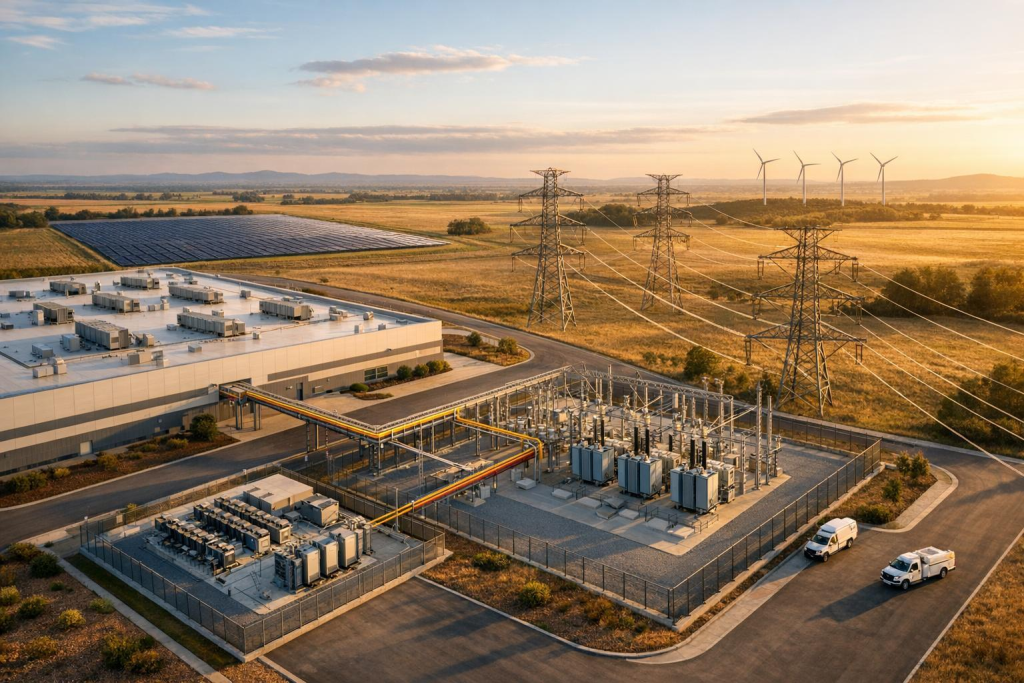
Preparing Electrical Infrastructure for the Future
Future infrastructure will be more connected, more digital, and more energy-intensive.
The increasing adoption of renewable energy, electric vehicle charging networks, smart grids, and intelligent buildings requires electrical infrastructure that is both reliable and adaptable.
Electrical substations will play a critical role in managing these changes by providing stable power distribution while supporting future technologies.
At CEED, our Compact Sub-Station solutions are designed to help industrial, commercial, and utility customers build dependable electrical infrastructure that is ready for long-term development.
Investing in modern substation technology today helps create infrastructure capable of meeting tomorrow’s energy challenges.
Conclusion
Electrical substations are no longer viewed as passive components of the power network.
They have become strategic assets that enable modern infrastructure to operate safely, efficiently, and reliably.
As cities expand and industries continue to electrify, demand for flexible and dependable electrical substations will continue to grow.
With compact, efficient, and scalable solutions such as Compact Sub-Stations, organizations can build stronger electrical infrastructure that supports sustainable development for years to come.
